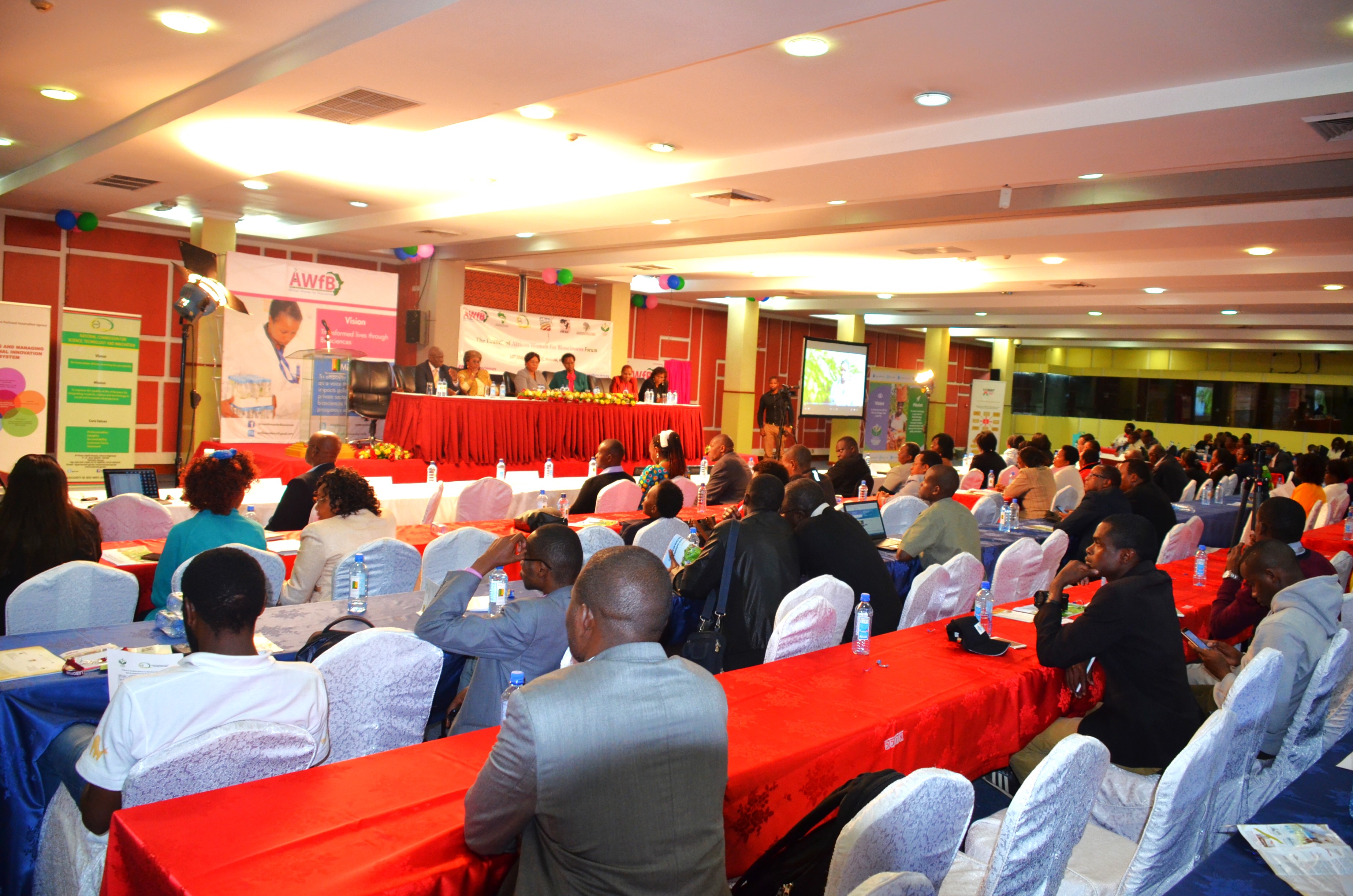
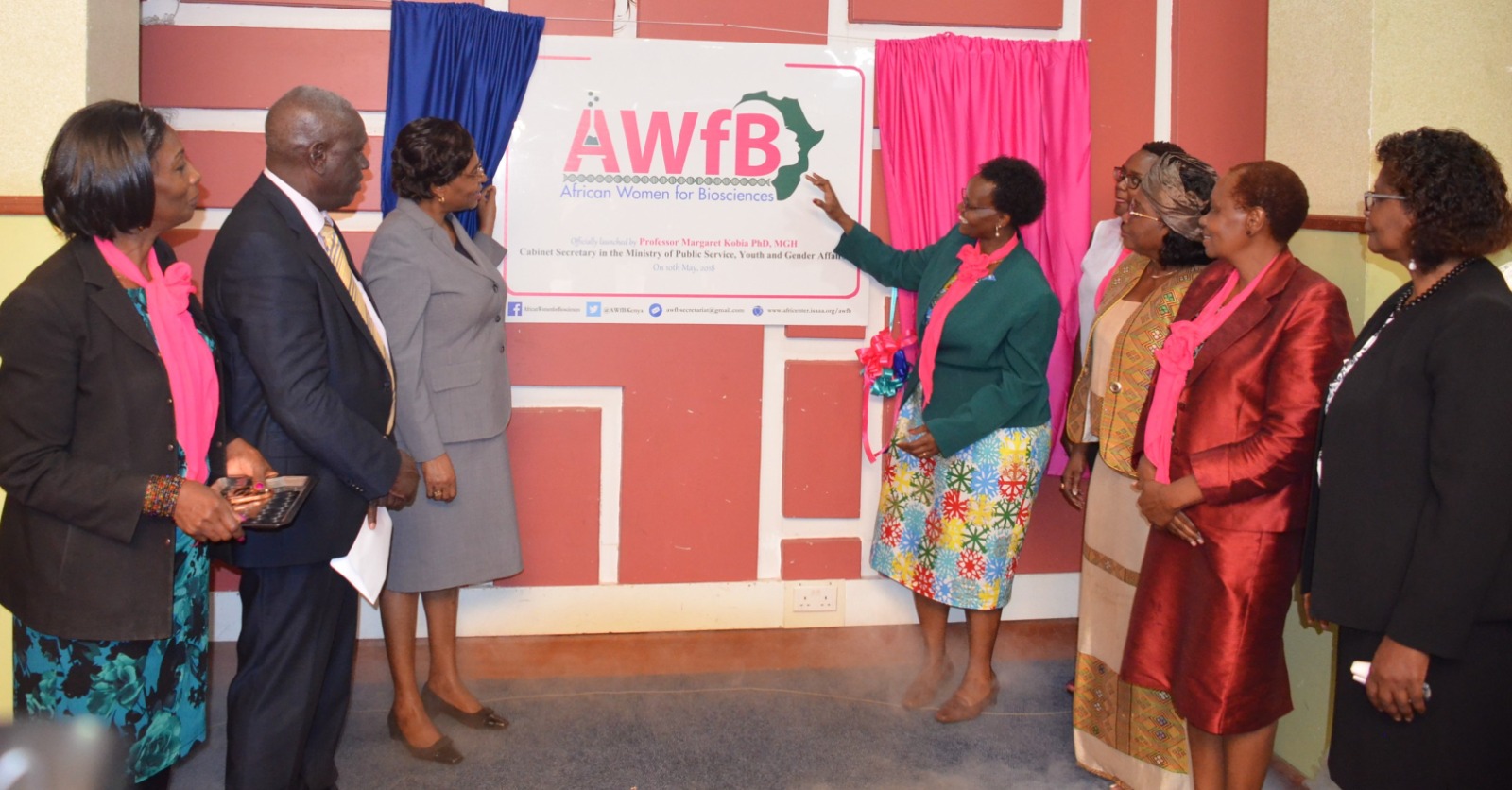
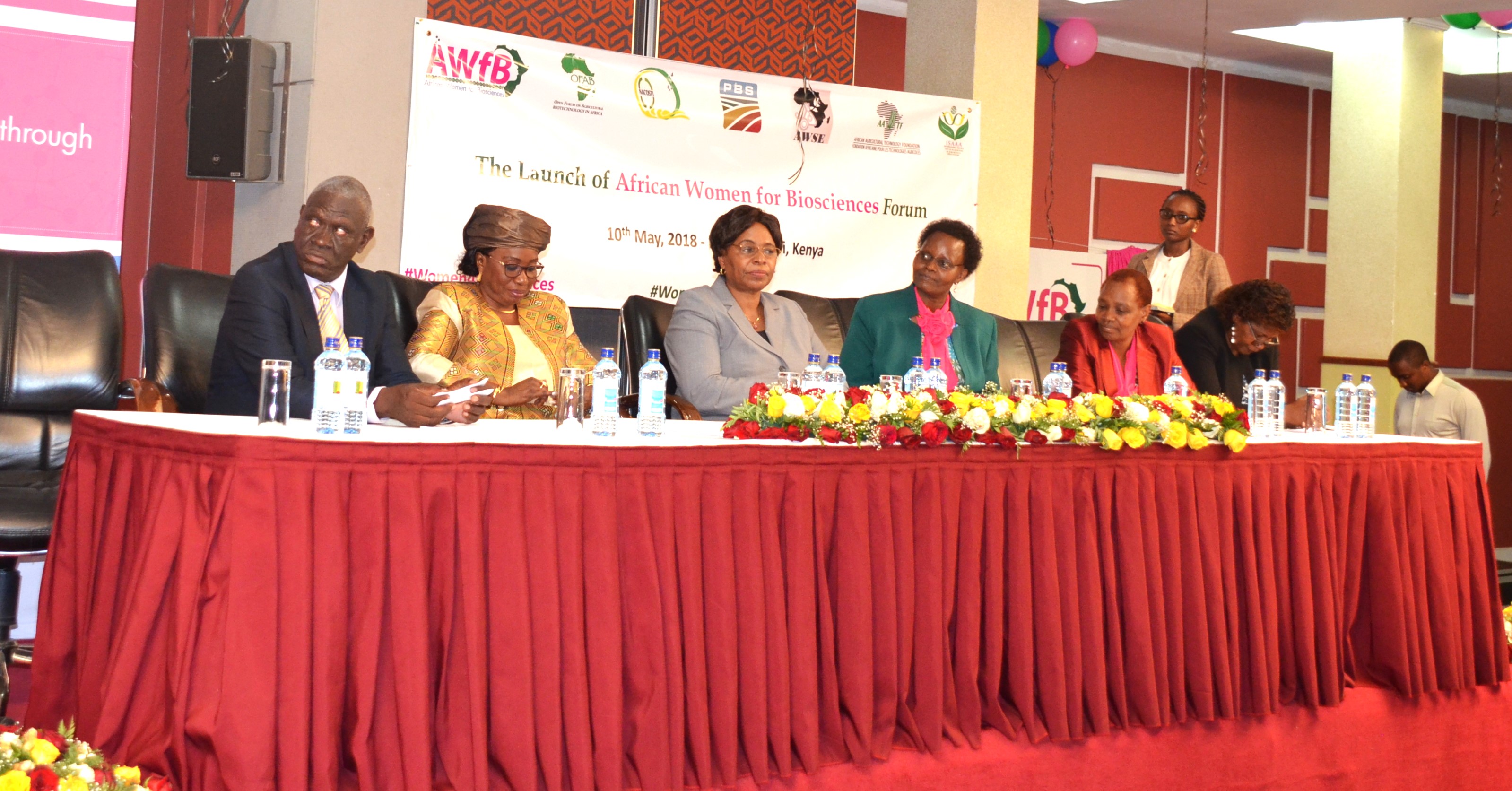
The launch of African Women for Biosciences

AWfB

A platform for women who are shaping the future of biosciences, innovation, and evidence-informed policy across Africa.

Explore
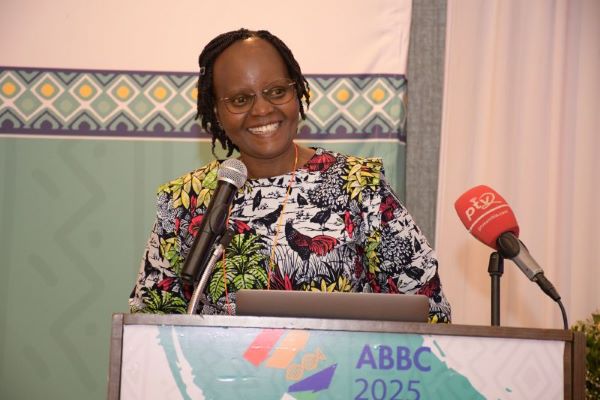
African Women for Biosciences gathering
Nairobi, Kenya · Established 2017

African Women for Biosciences

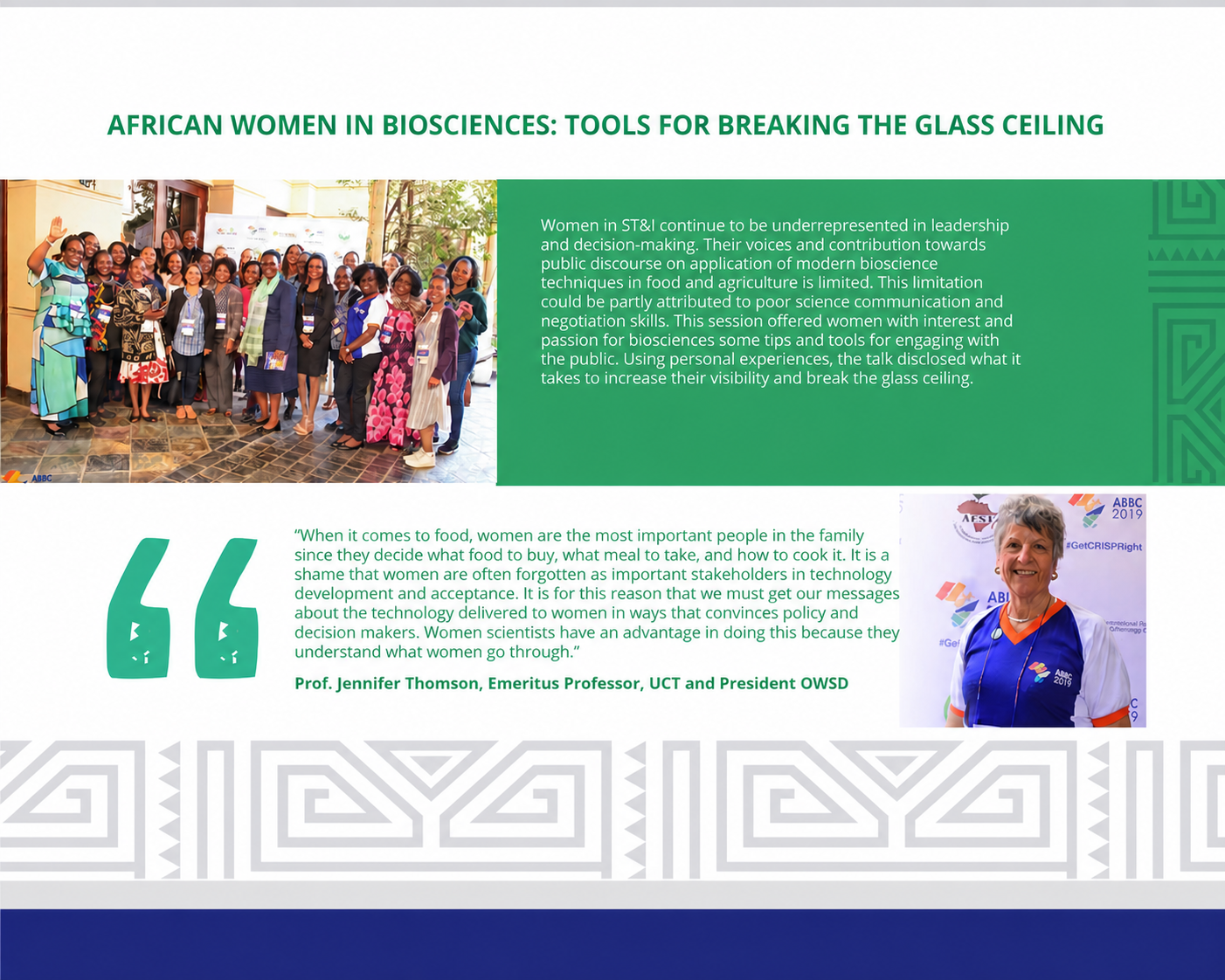
The African Women for Biosciences (AWfB) is a network of women with interest and passion for Science, Technology and Innovation (ST&I). Women professionals, exploring the role of Biosciences in building a vibrant Bioeconomy, initiated the network in 2017 at a forum in Nairobi, Kenya. The network aims to play a significant role in empowering the African woman as a voice to impact policy and advocate for investments in biosciences for a healthy and prosperous society. Membership comprises the academia, researchers, farmer associations, private sector service providers, the media and professional groups that support gender equity.
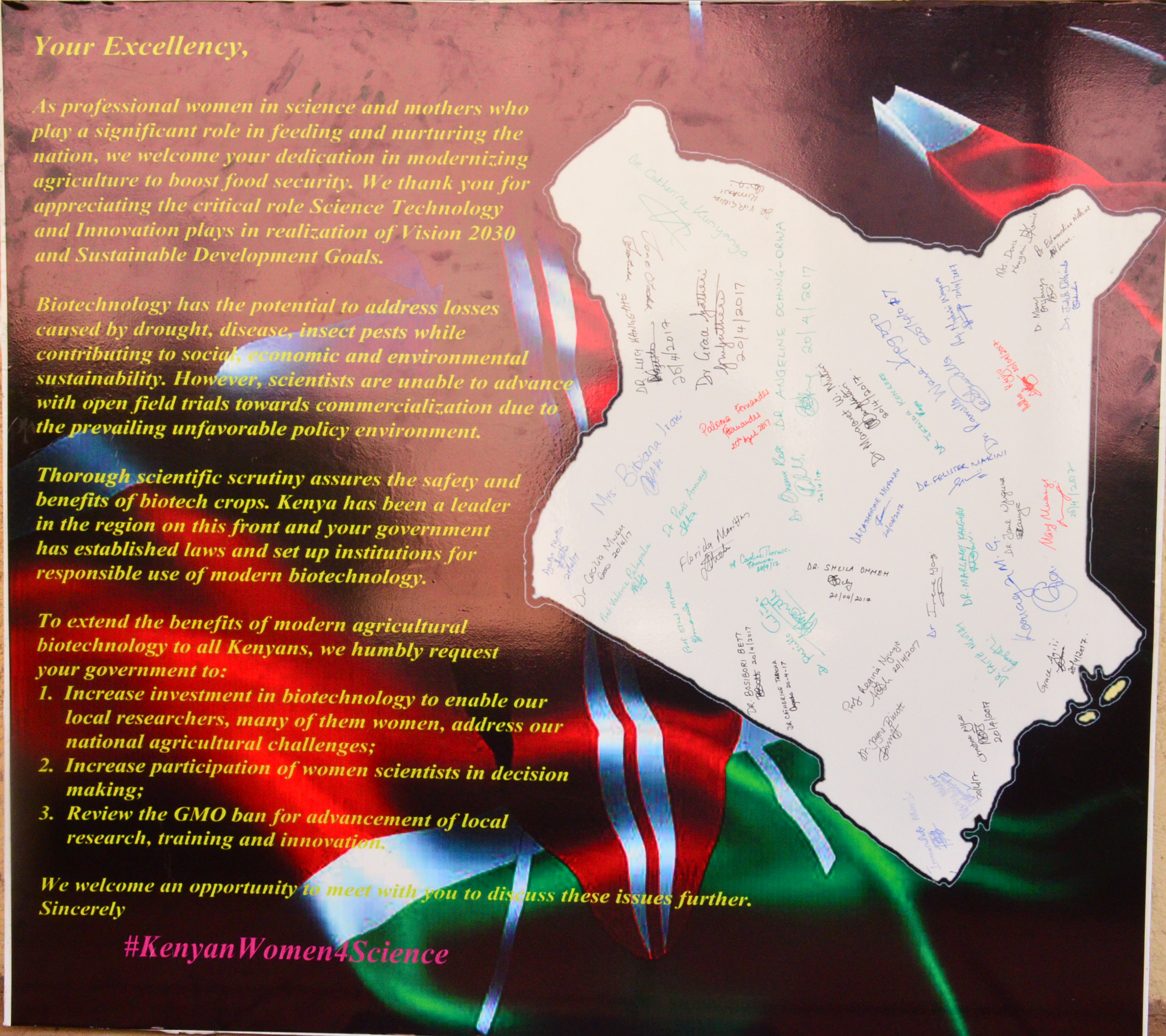
Vision

Transformed lives through Biosciences.

Mission

To empower the African woman as a voice that advocates and impacts policy for public and private sector investment in biosciences for a healthy and prosperous society.

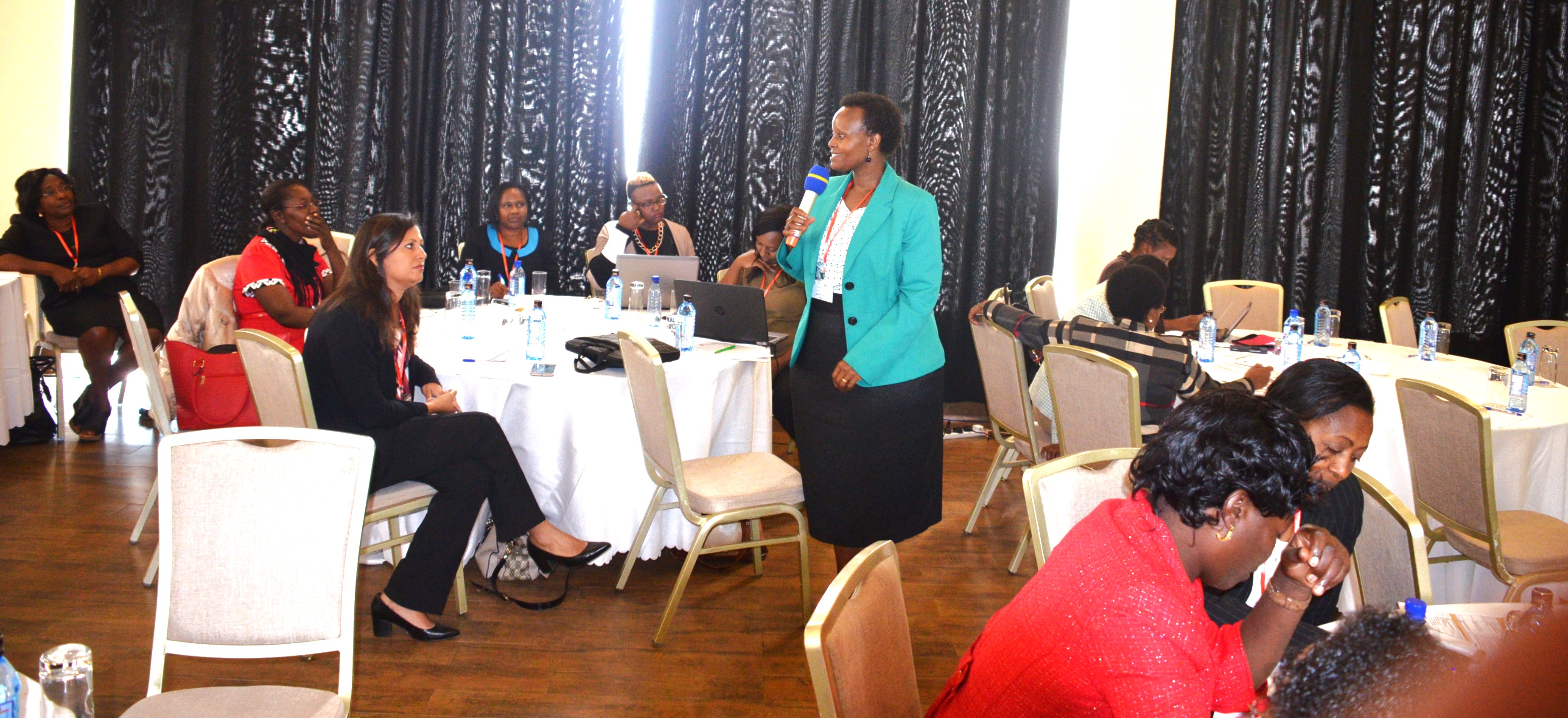
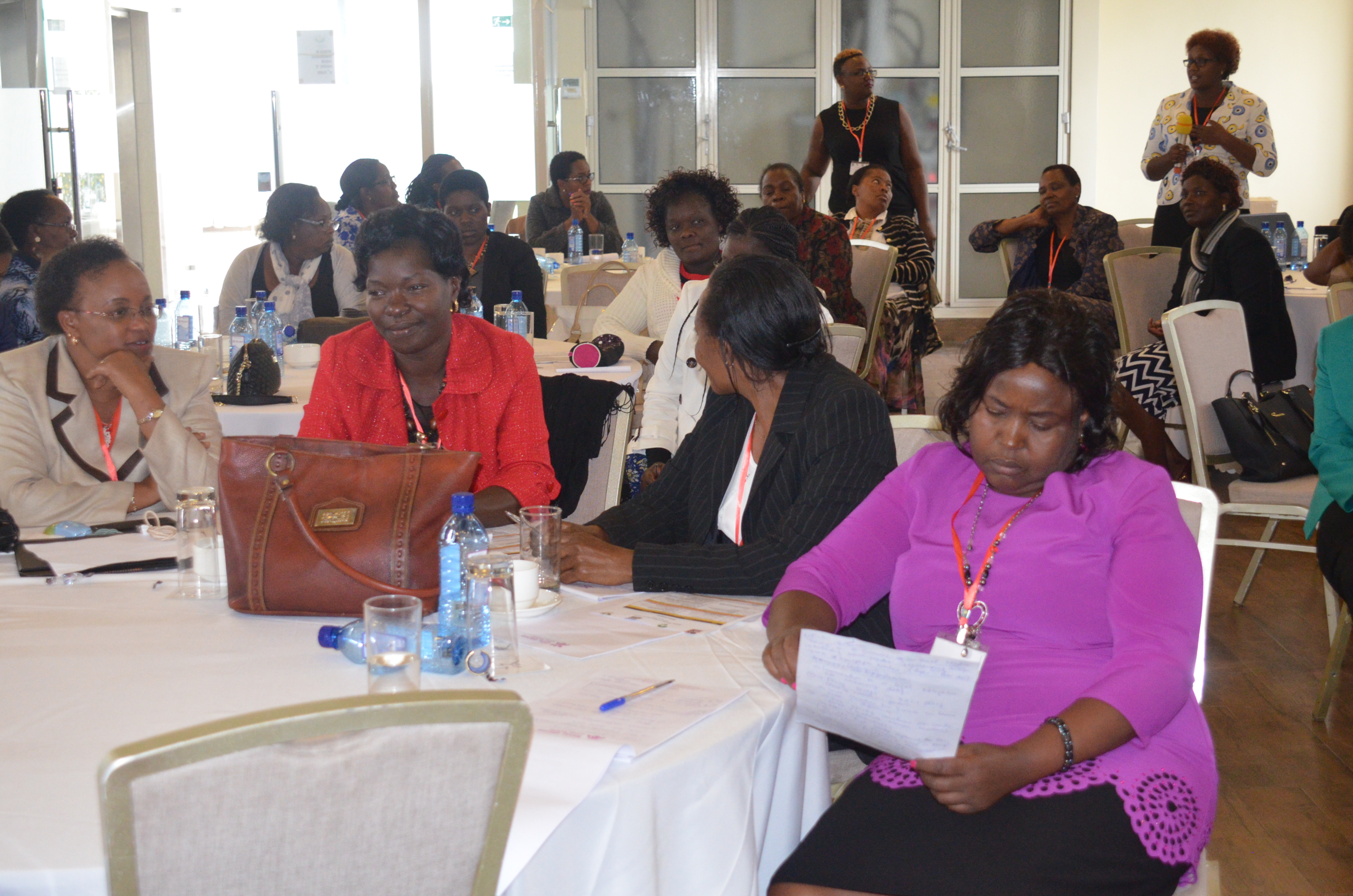
African Women for Biosciences participants at a meeting
A shared voice for Africa

A collective voice in motion.

AWfB brings women across science, research, enterprise and advocacy together to grow the role of biosciences in a healthy, prosperous Africa.

0+

Years of impact

0+

Members

Explore our story
AWfB members gathered in discussion

Newsroom

Podcasts

Conversations that move science forward.

Our Women, Our Science: Is Africa Supporting Its Upcoming Young Scientists Enough?

Our Women, Our Science: Is Africa Supporting Its Upcoming Young Scientists Enough?

Charting the Way for Girls and Women in Science in Africa

Charting the Way for Girls and Women in Science in Africa

When the Environment Responds to Human Sabotage

When the Environment Responds to Human Sabotage

One Health: Managing Africa’s Rangelands for the Future

One Health: Managing Africa’s Rangelands for the Future

Science in the Newsroom

Science in the Newsroom

Watch AWfB in action.

African Women for Bioscience Communication Training

African Women for Bioscience Communication Training

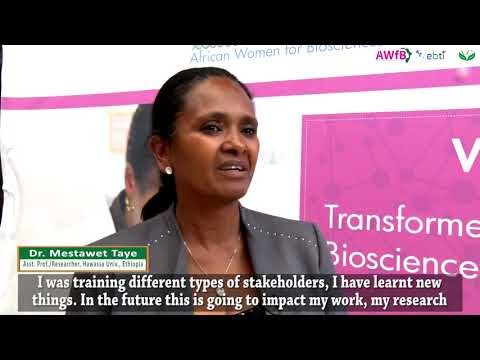
Ethiopian Women Scientists Readies for Science Communication

Ethiopian Women Scientists Readies for Science Communication

Ethiopia: Empowering Women Scientists to Engage the Public

Ethiopia: Empowering Women Scientists to Engage the Public

My Science Story: Dr. Agnes Asagbra

My Science Story: Dr. Agnes Asagbra

Celebrating Women in Science: Dr. Siboniso Moyo

Celebrating Women in Science: Dr. Siboniso Moyo

Producing Environmentally Friendly Fertilizer from Human Urine

Producing Environmentally Friendly Fertilizer from Human Urine

Using Indigenous Knowledge and Bioscience to Save Ethiopia's Poultry

Using Indigenous Knowledge and Bioscience to Save Ethiopia's Poultry

Soil Acidity in Sub-Saharan Africa: Developing Tolerant Corn

Soil Acidity in Sub-Saharan Africa: Developing Tolerant Corn

My Science Story: African Women in Biosciences

My Science Story: African Women in Biosciences

Golden Tree for Communities in Semi-arid Areas

Golden Tree for Communities in Semi-arid Areas

MyScienceStory: African Women in Biosciences

MyScienceStory: African Women in Biosciences

African Women and Farming: Why I Have Sleepless Nights

African Women and Farming: Why I Have Sleepless Nights

Restoration of Wetlands: The Story of Lake Chilwa in Malawi

Restoration of Wetlands: The Story of Lake Chilwa in Malawi

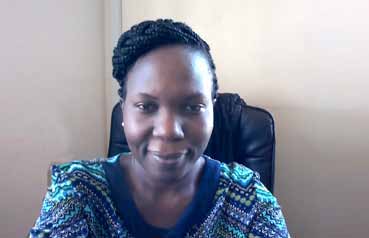
Hellen Beatrice Apio

Hellen Beatrice Apio

Researcher, VIRCA Plus, National Crops Resources Research Institute

Uplifting women, advancing the nation

There is a saying that goes ‘Train a woman and you will have trained a nation.” The support systems in all economies around the world are women, not to mention, the largest number of farmers in the world are women. Many women use agriculture as a means to support their families, therefore the more reason why having more women in science will trickle down to the households easily because they are involved right from the grassroots. Women do act as role models and champions for the younger generation, giving them confidence that all is possible.
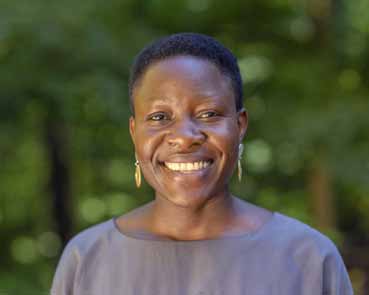
Patricia Nanteza

Patricia Nanteza

Communication Specialist, Uganda's National Banana Research Program and Trainer, Cornell Alliance for Science

Making a mark for the next generation

Women make up 50% of the entire population, this is what gives us relevance in science. If women are not speaking up that means science is incomplete; it is missing out on half of the scientific story and this story is everything that women represent – attention to detail, intelligence, beauty, empathy, practical application, etc. We need women in science to complete the story but to also provide role models for the next generation of women so that young girls realize that they can pursue careers in science or its communication if they want to.
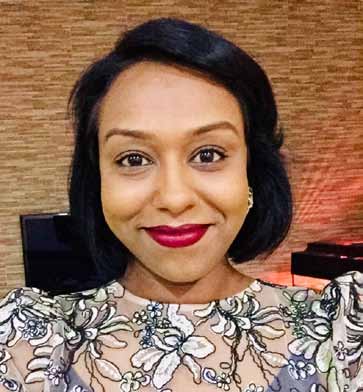
Dr. Magaret Sivapragasam

Dr. Magaret Sivapragasam

Research Scientist, Research in Ionic Liquids, PETRONAS University of Technology

Inspiring young scientists to speak for science

On December 2017, I was invited by a local public university to share my views on science communication and social media. During that time, I challenged the postgraduate students to be bold in communicating their science through social media. The challenge was to setup a Twitter handle! I was elated to learn that many of them picked it up and started a Twitter account. Sometimes, the ability to inspire is a win itself! We as scientists are so caught up with the number of publications and the impact factor of journals. These impact factors are calculated by companies and are designed to indicate the quality of journals. However, we often see researchers using that metric to assess the quality of individual papers; and even, in some cases, the authors! The key tenet of a manuscript should be giving it the widest exposure you can. How many of us actually put our purpose to play? My aim is to inspire young scientists to speak their science effectively. What better way than the use of social media platforms? Be proud of your achievements! Sometimes you must put yourself out there to be heard.
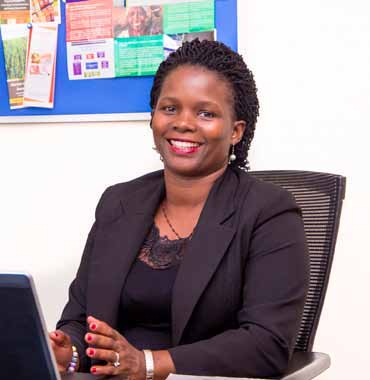
Dr. Barbara Mugwanya Zawedde

Dr. Barbara Mugwanya Zawedde

Coordinator, Uganda Bioscience Information Center

Living the legacy of women in science for national development

My interest in science started when I was 10 years. My auntie was a medical doctor working with Red Cross and lived in many parts of the world. I dreamt to be like her. At University I enrolled in the Agriculture Program and selected another role model—Dr. Theresa Sengooba. In 2003, Theresa was the lead of the East African Component for the Program for Biosafety Systems and she hired me as her Programme Assistant. That work exposed me to biotechnology, which I found to offer enormous opportunities for national development. I look forward to the day when all scientists will appreciate and allocate resources for communicating about their findings. A lot has been generated through science but majority has remained on the shelf or has been misused—resulting in rejection — because of inadequate information or misinformation. Biotechnology especially genetic engineering is a victim of such sad reality.
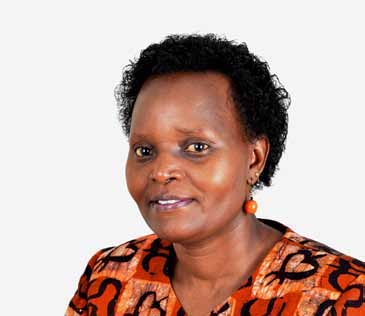
Dr. Margaret Karembu

Dr. Margaret Karembu

Director, ISAAA AfriCenter and Founding Chair, AWfB

Dreaming for Africa's greater access to biosciences

My passion for science started very early in life. Having grown and lived in rural Africa most of my childhood, direct interaction with nature would start early in the morning until dusk. The roadside grass dew provided easy wipes to our weary feet after trekking several kilometers to school barefoot. Evening routine entailed fetching firewood from nearby bushes and drawing water from a local stream on the Slopes of Mt Kenya. I would smell every flower and berry I came across though some were not that pleasant! I had no idea that this was preparing me for a quantum leap from the village to the world. Now, I dream of a world where those privileged with technology abundance would stop obstructing its access to those who need it most especially in Africa. A time when the naysayers would stop demonizing biotechnology and tagging those who struggle to explain. Rather, a world where people accommodate each other’s opinions and choice. I picked these victuals from Kenyatta University in Kenya where I attained all my degrees from - from undergraduate, masters to PhD. My father always encouraged us to respect the lesser and the mightier and this has helped me a lot in achieving my life’s dream.
Doris Wangari

Doris Wangari

Country Coordinator, Program for Biosafety Systems - Kenya and AWfB member

Enriching families through enabling families

As a wife and mother, I have a God-given task to decide on the family nutrition, health, and environmental matters. Having a background and understanding of biotechnology’s benefits ensures I support the development of micronutrient enriched genetically modified foods and point of care diagnostics for my loved ones. It is widely recognized that women face a number of gender-related barriers to succeed in science and technology. Biotechnology is no different, albeit the great promises on the health and social well- being of women. We have the supreme responsibility of caring for our families and ensuring we meet income- generating obligations. Through my interactions with various decision makers, my greatest achievement will be the realization and recognition of the importance of gender-responsive biotechnology policies.
Dr. Ruth Mbabazi

Dr. Ruth Mbabazi

Research Assistant Professor, Michigan State University

Impressing science and technology to combat poverty

My dream is for my country to impress science and technology. Uganda is a third world country. I think this speaks for every developing country, to impress science and technology and move away from poverty. My dream is to have policies which provide platforms for different players to do what is supposed to be done. Let the scientists do their work, while policymakers must be there to guide the community. For them to fully understand the technology, they must be involved in every step of the process. Yes, they are too busy, but you can get identified champions and involve them in what you are doing. When you win a research grant, share the excitement with and let them celebrate with you. Let them journey with you for them to appreciate the outcome. When you involve them only at the commercialization stage of a product, they will no
Dr. Rose Suniso Maxwell Gidado

Dr. Rose Suniso Maxwell Gidado

Assistant Director, Nigeria’s National Biotechnology Development Agency

Shaping conversations about biotech and biosafety

My involvement in science began during my secondary school days. I was consistently good in both Science and Arts (History, Literature, French, English). I was always on top in French. My French teacher thought I was going to do choose Arts subjects and focus on French. Suddenly she traveled just when we were about choosing subjects. I was confused initially but later on decided to go for the Science subjects. That natural pull was there. When my French Teacher returned, she was surprised that I had dropped French for Science. Women scientists have a critical role to play in Africa’s development, and yet they are woefully underrepresented in positions of leadership. UNESCO estimates that just 30% of professionals in the sciences in Sub-Saharan Africa are women. In our 21st century economy, we must actively welcome the immense talents and contributions of women and girls to advance peace and prosperity. Ultimately, we need science and evidence-based information to inform and shape conversations about biotechnology and biosafety, and to ensure that farmers everywhere – including women, have the opportunity to benefit from innovation to transform their communities.
Prof. Jeniffer Thomson

Prof. Jeniffer Thomson

Emeritus Professor, University of Cape Town and former President, OWSD

Serving women in science passionately

Growing up, my inspiration was my Aunt Margaret, who was the youngest woman headmistress of a high school in South Africa. As a family, we never made any major academic decisions without first consulting her. She also knew the names and family details of all her pupils, past and present. Her influence helped shape who I am today. When I was elected as President of the Organization for Women in Science for the Developing World (OWSD) in 2016, it was a fulfillment of my lifelong passion to promote women in science. My hope is that Africa’s agricultural productivity will boost through use of every modern tool that can improve both yield and nutrient value. If that involves genetically modified crops, indigenous knowledge, artificial intelligence, better use of greywater – no matter – go for what works best. But make sure that technology serves the people, not the other way round.

Contact us

Start a conversation.