Mission
Our mission is to advance biosciences innovations that contribute to sustainable development in Africa.

The AfriCenter was established in 1994. Its mission is to share knowledge on agricultural biotechnology and biosafety through strategic communications and outreach for informed policy and choice.
To achieve this mission, the Center focuses on knowledge sharing, capacity strengthening, and policy outreach. Over the years, the AfriCenter has expanded its mandate to offer communication support services and communication research while building strategic partnerships to leverage skills, share resources, and avoid duplication of work.
Our mission is to advance biosciences innovations that contribute to sustainable development in Africa.
A food-secure and healthier Africa where biosciences innovations contribute to sustainable development.
Inform: Providing timely, relevant and factual information on biosciences.
Inspire: Building confidence for informed decision making.
Transform: Accelerating uptake of bio-innovations for a food-secure and healthier Africa.
The AfriCenter team blends leadership, science communication, digital strategy, policy engagement, media production, and operational support to move ideas into public value.

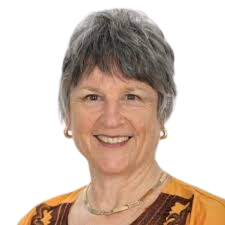
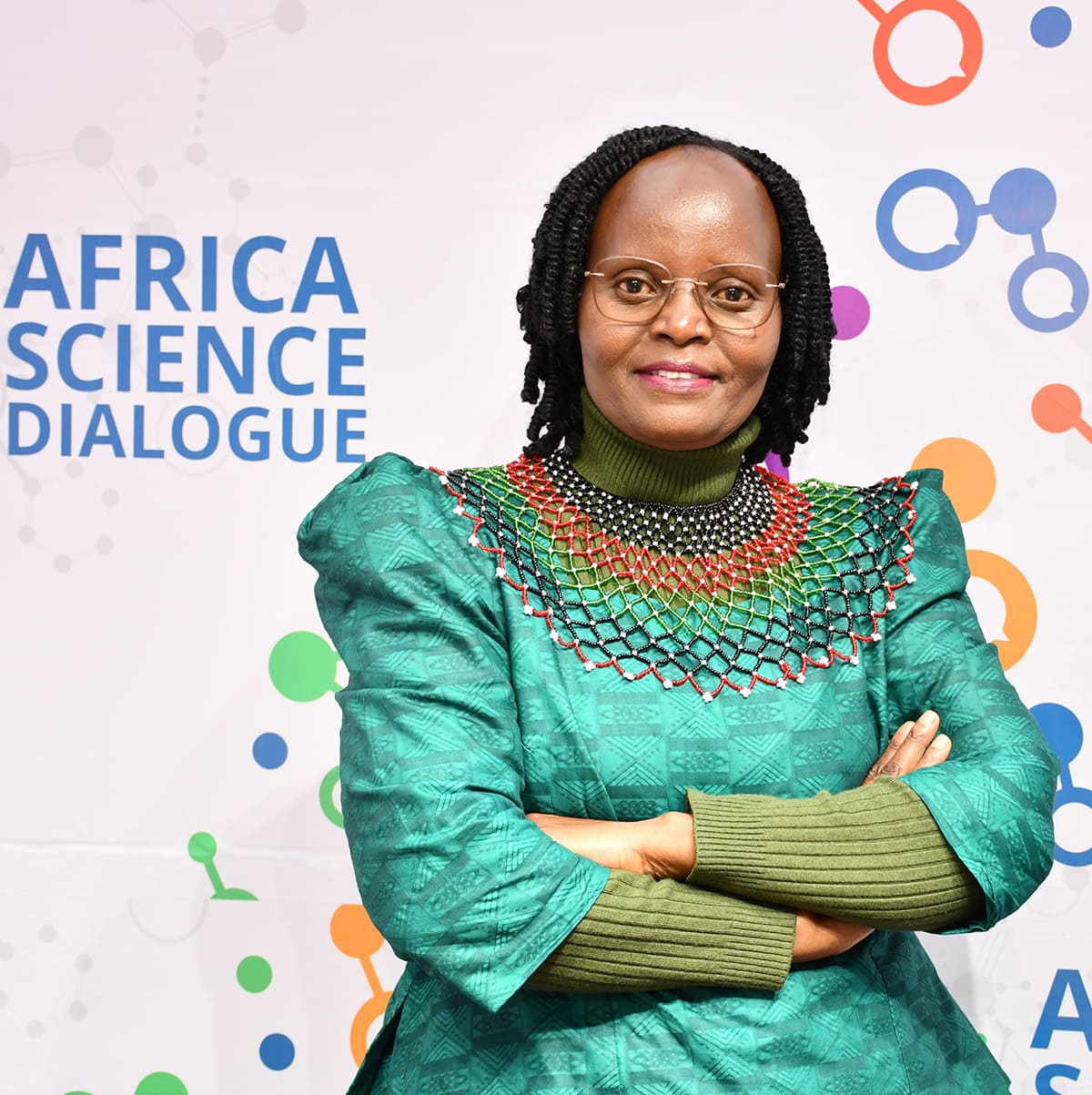
Dr. Margaret Karembu (MBS) is the Director of ISAAA AfriCenter and the pioneering chair of OFAB Kenya. She is a senior level environmental science management specialist with extensive experience in technology transfer, environmental impact audits, and modern biotechnology applications for small-scale agriculture. A science educator and communication trainer, Margaret has actively strengthened science communication and policy outreach for informed choices on modern biosciences across Africa. She has also contributed significantly to international biotechnology and biosafety discourse through presentations, technical papers, and participation in major global policy processes.
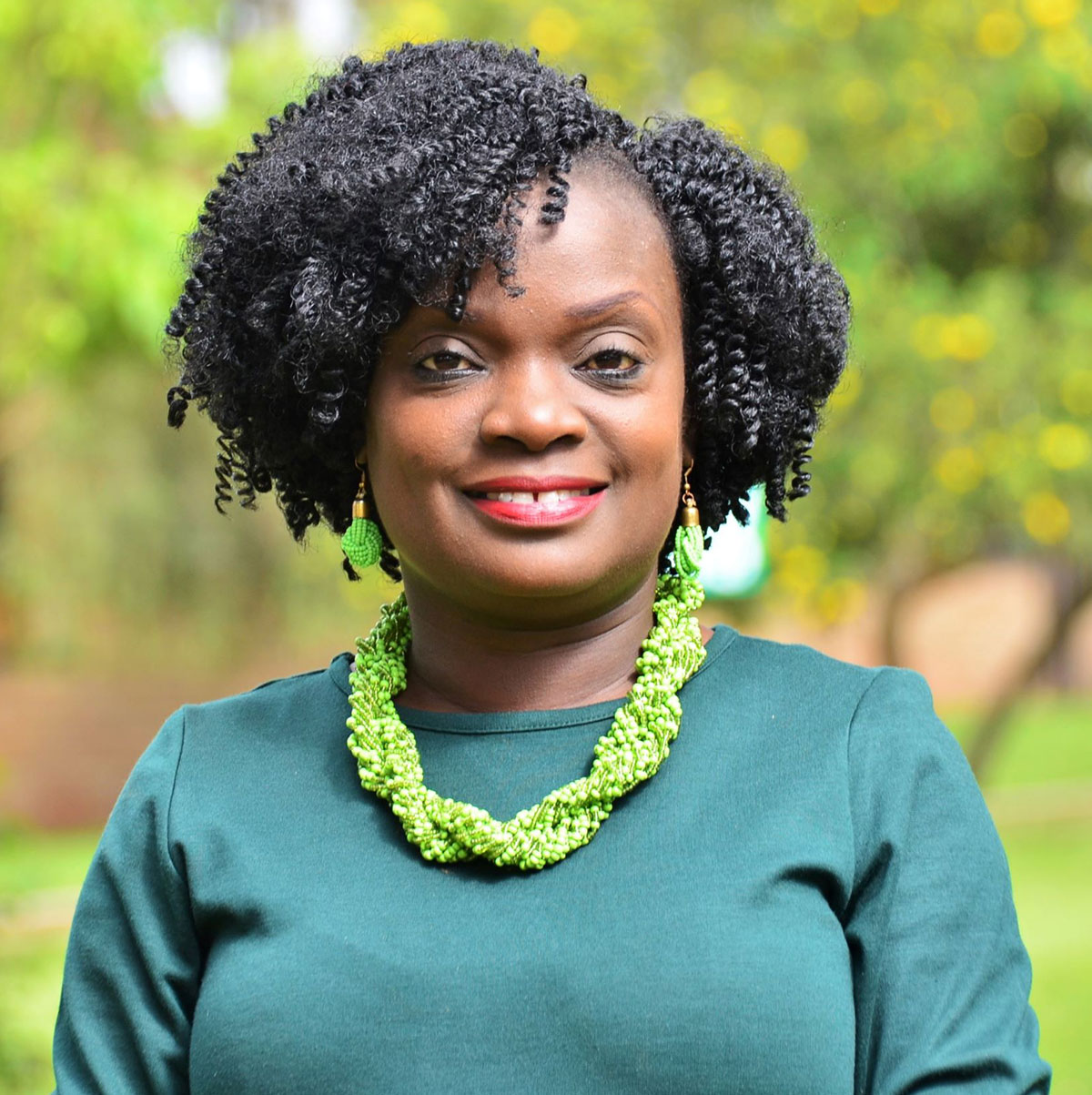
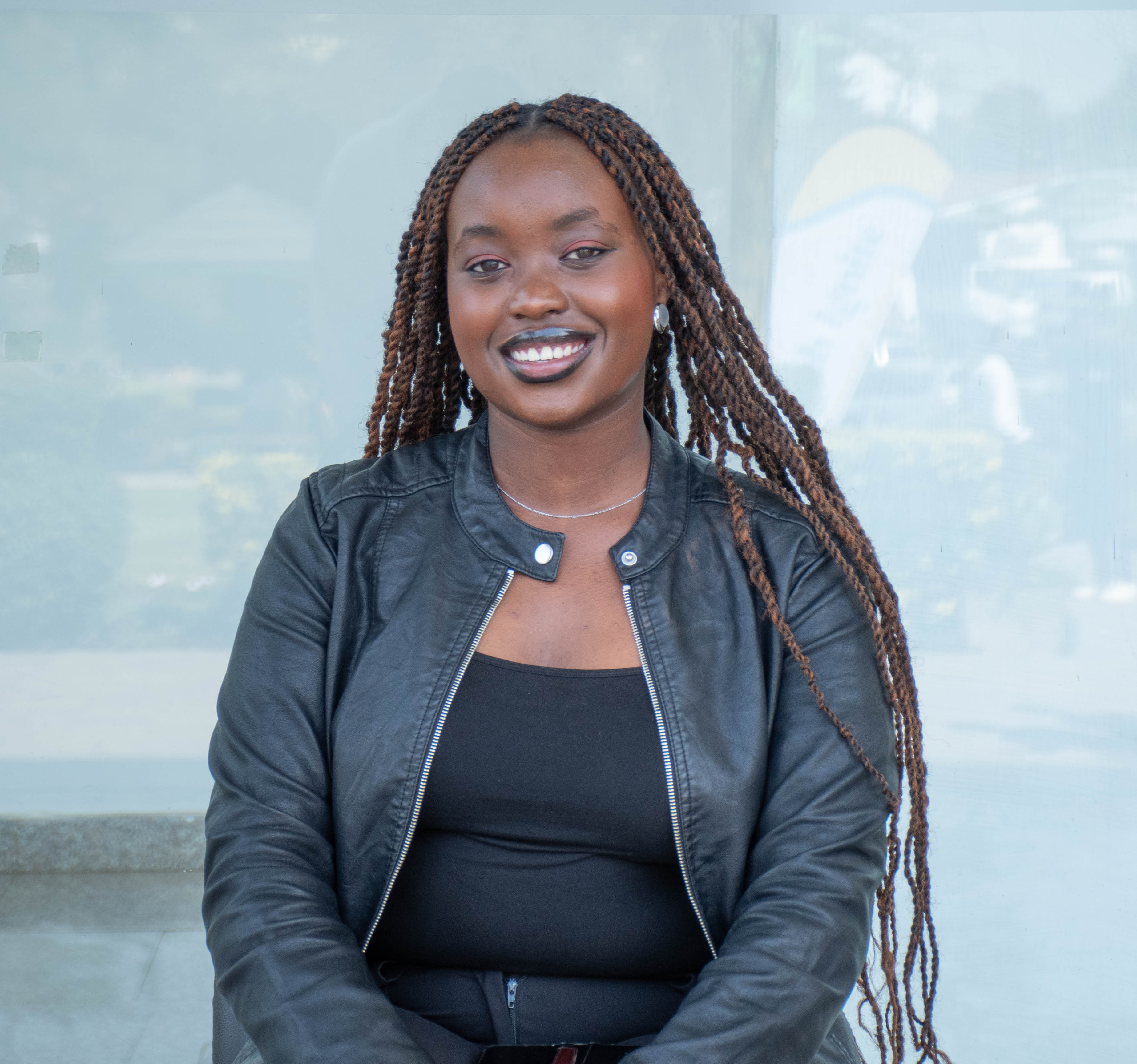
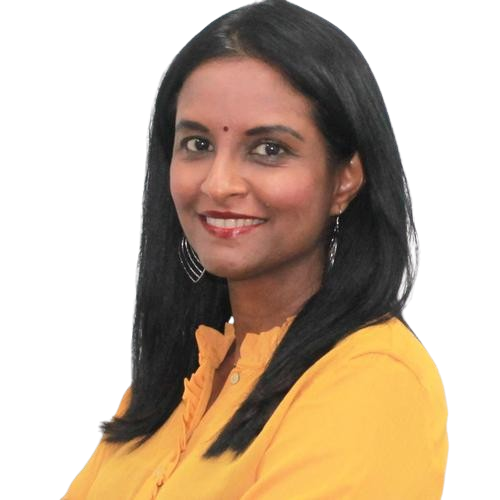
Anne boasts more than 20 years of experience in administrative and executive-level roles. She upholds high ethical standards and integrity, demonstrating self-confidence, discipline, and consistency in all her endeavors. A highly organized and strategic planner, Anne excels in navigating challenges, prioritizing tasks effectively, and delivering results under tight deadlines. Her work has contributed immensely to AfriCenter’s organizational efficiency and success, and she also has training in Business Administration, Management, and Accounting.
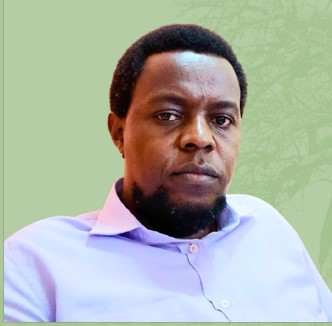
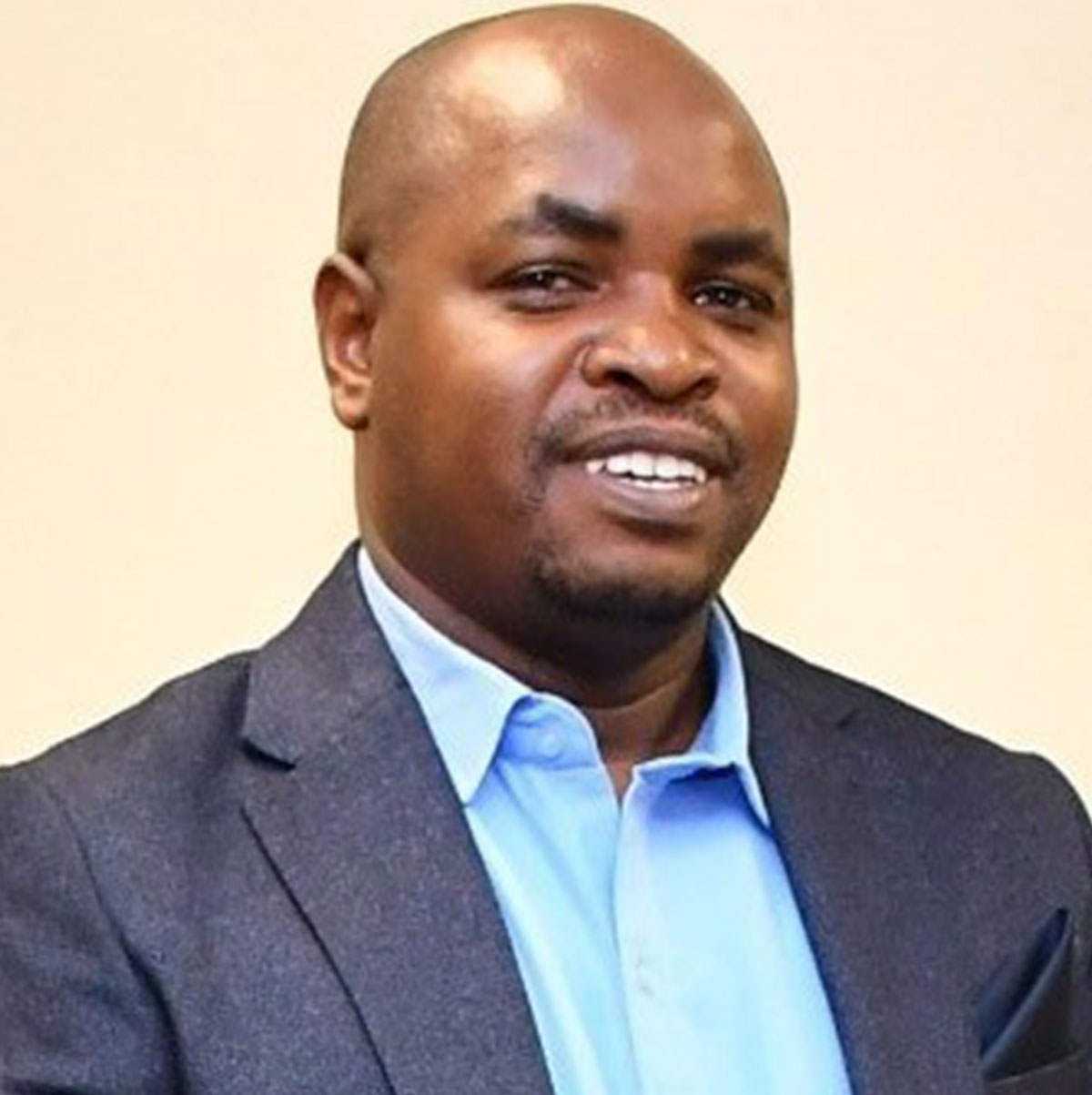
Nderitu is a Certified Public Accountant (CPA-K) and also holds a Bachelor of Commerce. He is in charge of overall finance administration, human resource management, and compliance with applicable protocols, statutory requirements, and regulatory obligations. Anthony has a wealth of experience in auditing, tax compliance, and project management, bringing strong operational discipline to AfriCenter’s finance and administration functions.
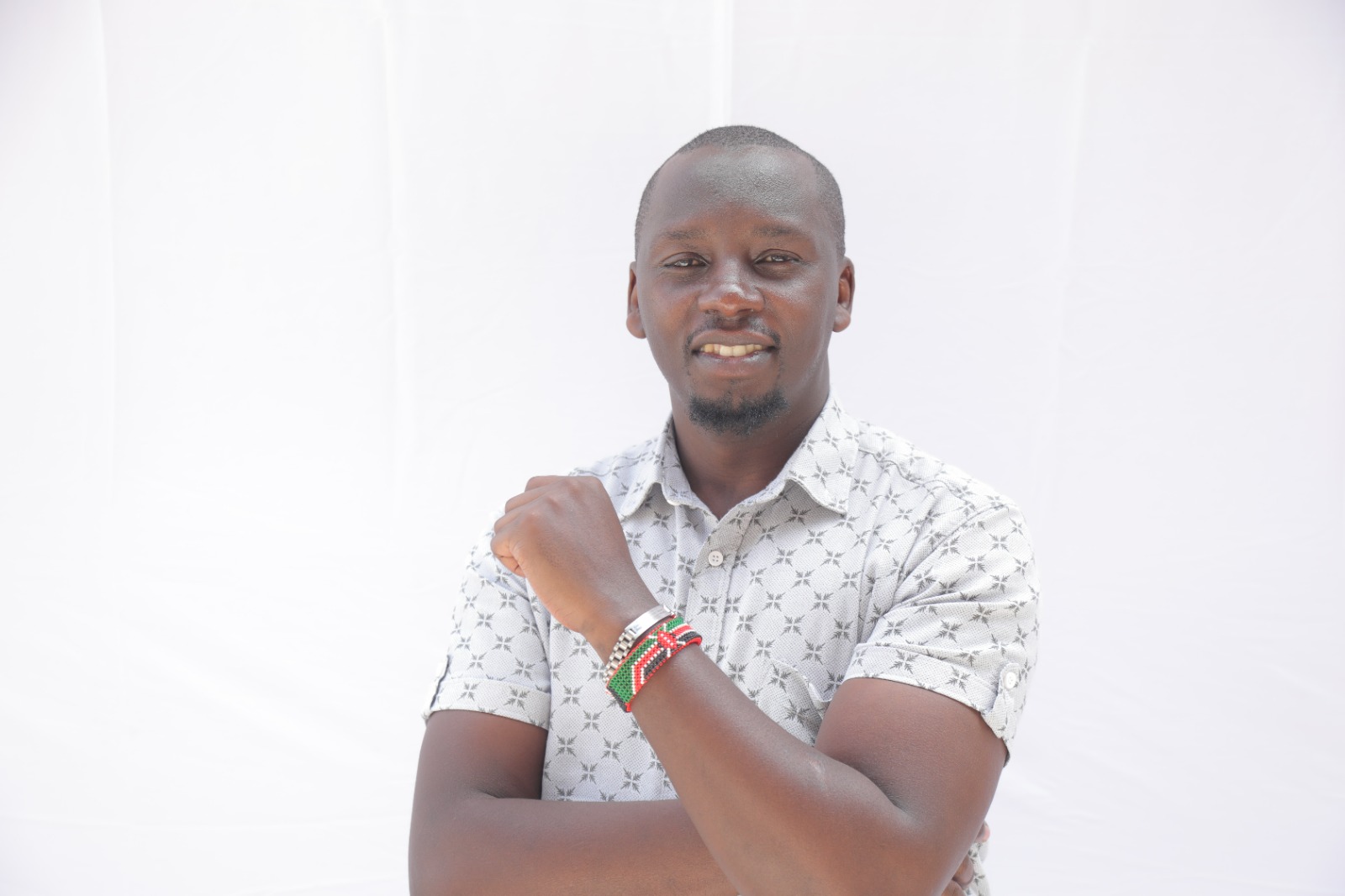
Ezekiel Ng’ang’a joined ISAAA AfriCenter as a Video Production Consultant and is a media professional with experience in both local and international media spaces. Before joining AfriCenter, he worked as a television producer at Family TV Kenya and previously served as Chief Operations Manager at Youth TV Kenya, rising from an earlier production and content acquisition role. He brings strong broadcast, production, and visual storytelling experience to AfriCenter’s documentation and communication work.
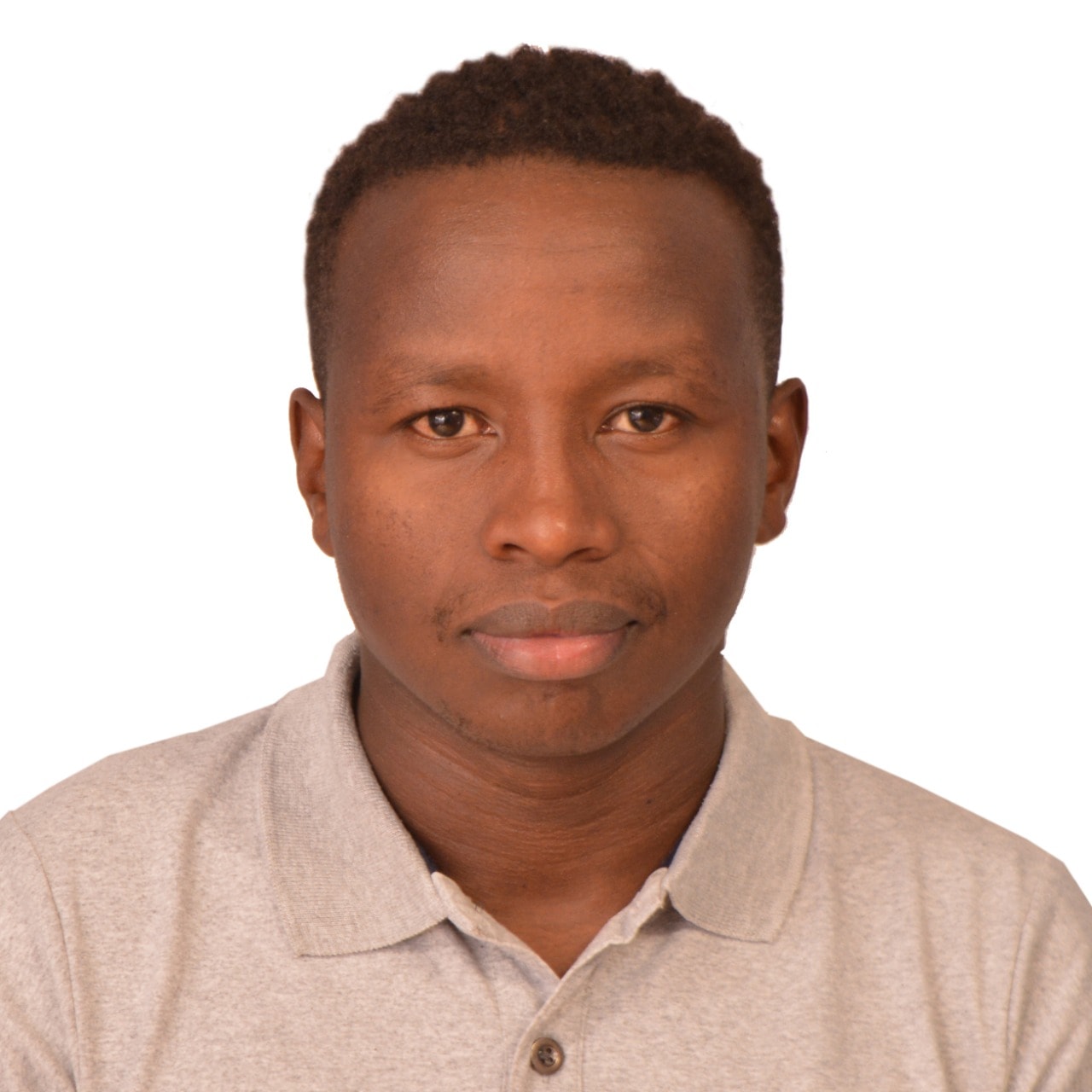
Godfrey Ngure is a Program Associate at ISAAA AfriCenter, where he specializes in science communication, stakeholder engagement, and policy advocacy. He holds a Master’s degree in Biotechnology from Kenyatta University and is pursuing doctoral studies in Bioindustrial Sciences at the University of Tsukuba in Japan. With several years of experience, Godfrey coordinates activities that promote transformative science, technology, and innovation, including genetic engineering, genome editing, synthetic biology, and gene drive. He also serves as National Secretariat for the African Association for Advancements in Synthetic Biology (AAASynBio) Kenya chapter and is committed to strengthening bioscience leadership among early-career professionals.

Paul has experiential strengths in sharing information on the benefits of biotech crops with a wide range of stakeholders including policy makers, legislators, community leaders, farmers, and consumers. He has played a significant role in enhancing Africa’s capacity for international biosafety negotiations and contributed to key continental and global policy processes. He is also passionate about crop improvement through modern technologies and has keen interest in genome editing in addition to plant breeding. His work combines biosafety systems coordination with science communication, policy engagement, and agricultural innovation advocacy.
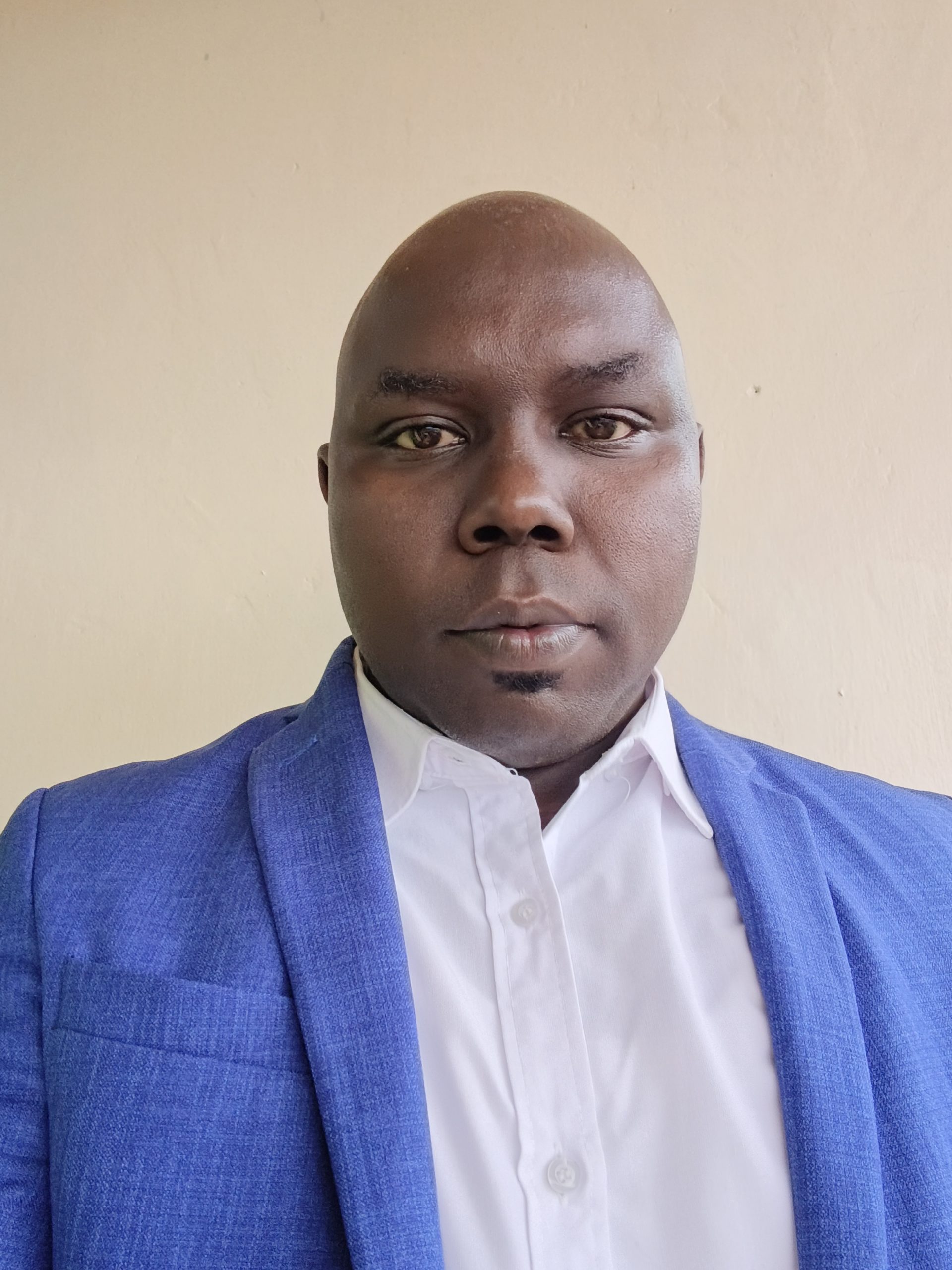
Walter Langat coordinates the Africa Science Dialogue, a platform that bridges the gap between science and society through timely interventions against misinformation in agriculture, health, and the environment. With a background in communication and media, Walter brings more than ten years of experience in communication consultancy and training across public and private institutions in Kenya. In addition to leading Africa Science Dialogue work, he also supports strategic media relations and science communication capacity strengthening for AfriCenter’s programs.
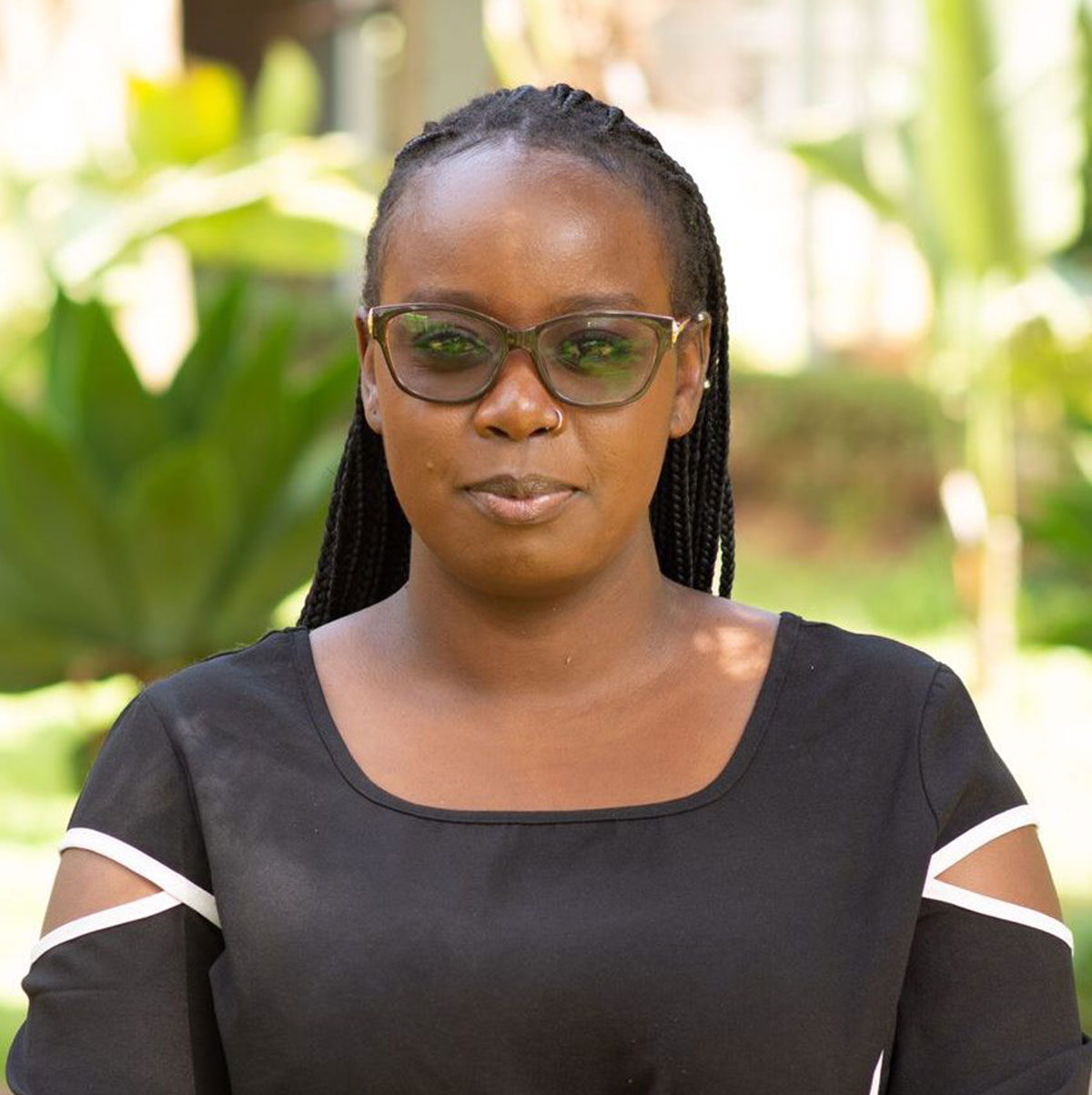
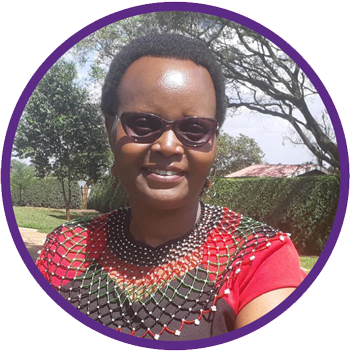
Edna coordinates the Open Forum on Agricultural Biotechnology (OFAB) in Africa – Kenya Chapter, a platform that creates space for frank and evidence-based discussions on the benefits and challenges of modern biotechnology. She holds a BSc in Biochemistry and is pursuing an MSc in Biotechnology with specialization in animal biotechnology, diagnostics, and vaccine development. Edna also brings experience in people-centered public health interventions and was recognized with the African AI Research Award for Innovation Funding for Junior Researchers.
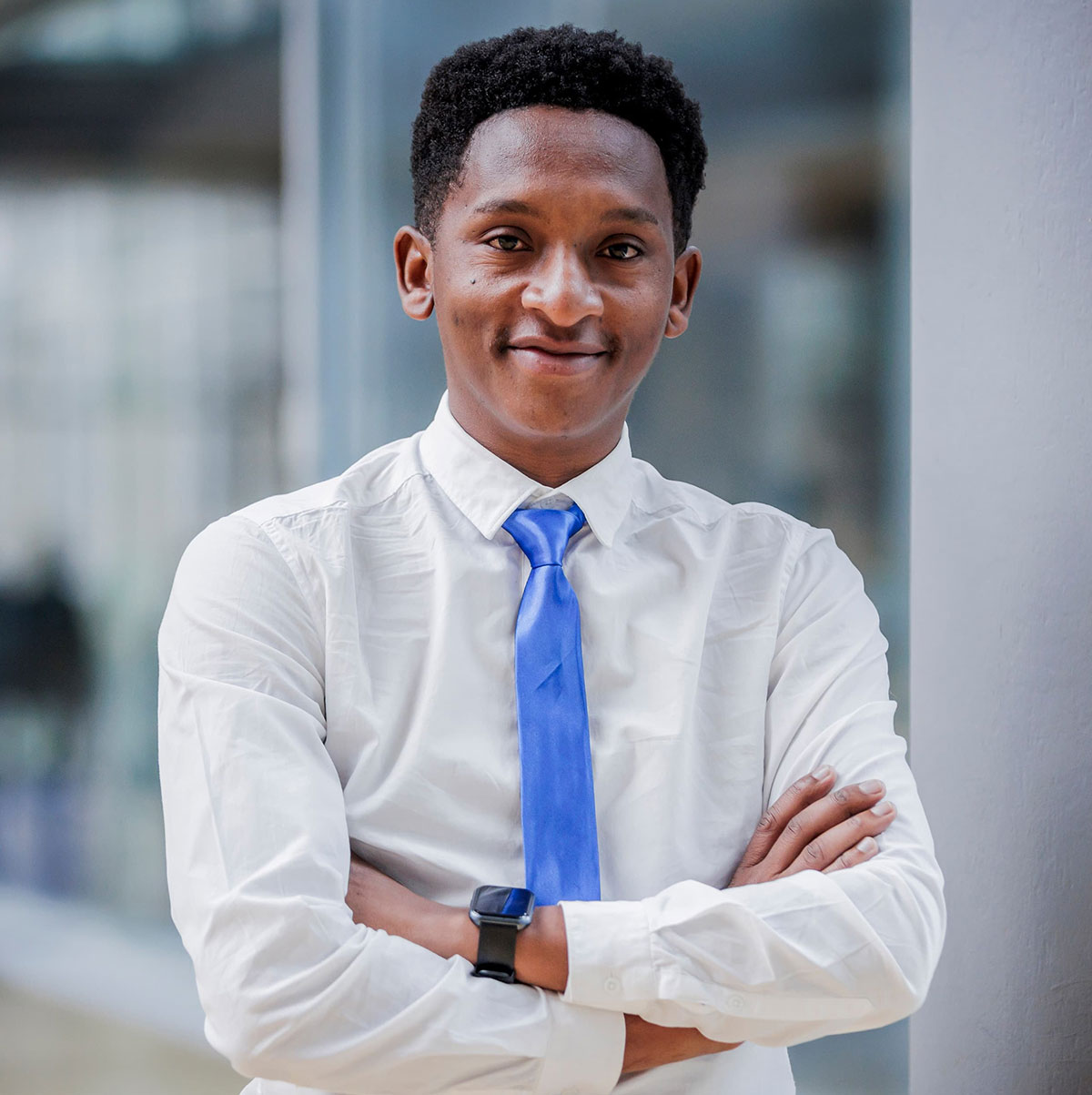
As the Digital Communications Officer, Peter is tasked with creating content for publication on the ISAAA AfriCenter website, including blog posts, and helping shape strategy for the organization’s social media platforms. He also supports conference moderation and co-hosts Africa Science Dialogue podcasts. Peter has a background in both science and communication, which helps him deliver effectively as a science communicator. Before joining AfriCenter, he worked as a business and science reporter and later as a senior reporter with Standard Group, where he received internal recognition for excellence in journalism.

Charlene Mbugua supports ISAAA AfriCenter as a Data Scientist Intern with a growing focus on artificial intelligence, machine learning model development, chatbot creation, and website development. Her work combines data analysis with practical digital solutions, helping transform complex information into intelligent tools, responsive web experiences, and clear insights that strengthen communication, innovation, and decision making across AfriCenter’s programs.
The AfriCenter Board comprises a team of eight eminent personalities representing developing and industrialized countries, public and private sectors, and various professional interest groups. The Board oversees the programmatic, organizational, and policy strategies of ISAAA AfriCenter, providing indispensable guidance and strategic direction as the organization continues to respond to new challenges in the biosciences landscape.Made up of an eclectic blend of both young and time-honoured, the Board represents a wide range of expertise in science, technology and innovation, research and academia, food security, advocacy, and leadership and management. They bring expansive experience and expertise that strengthen AfriCenter’s quest to ensure the continent is an equal player in the development, acquisition, and commercialization of biosciences for prosperity.
AfriCenter works with a network of associates who contribute to its mission on a need basis through specialist advisory, representation, and program support.

Julius Nyangaga is a consultant with Right Track Africa, a Nairobi-based consortium of professionals that supports clients in strategy development, system characterizations (baseline studies), facilitating forums for innovative decision-making, and monitoring and evaluation. He is especially trained and experienced in integrating and learning from outcome-oriented thinking and evidence-based approaches (Outcome Mapping and Outcome Harvesting) in all aspects of project management. Since 2005, Julius has trained and guided numerous organizations and project teams in learning how to apply outcome mapping and harvesting. He has developed knowledge and skills in utilization-focused evaluation, applying the approach to several IDRC’s Information and Networks (I&N) projects in Africa. He has applied the same expertise to several project assessments in East Africa, the most notable being MasterCard Foundation-funded CAP YEI youth development program in Kenya.
Consultant at Right Track Africa

Paloma Fernandes is the Chief Executive Officer of the Cereal Millers Association for the past sixteen years. The Cereal Millers is an Association that represents the large-scale grain milling industry comprising varied wheat, maize, and other cereals millers in Kenya with a reach of over 40 million consumers. Its membership comprises 50 of the largest millers in the country and seven international traders representing more than 40% of total industry production capacity for maize and over 90% for wheat. She is a qualified Economist, Administrative Manager, and Systems Analyst with a Bachelor of Arts degree in Economics. She successfully completed the Corporate Governance Course administered by the Centre for Corporate Governance Kenya, attaining first position out of 68 fellow directors and CEOs from the region. She has attended various food safety training courses and is pursuing a Master of Arts in Development Studies. Paloma was awarded the Order of the Grand Warrior (OGW) of Kenya for her work in food safety, awareness building, and regional solutions.
CEO of the Cereal Millers Association

Dr. Barbara Mugwanya Zawedde has over 20 years’ experience in East Africa agriculture, crop biotechnology regulation, environmental policy, and science communication. Barbara is currently the Director of Research in Uganda’s National Agricultural Research Organization (NARO), based at the Mukono Research Institute serving the Central region. She also chairs NARO’s Institutional Biosafety Committee and the committee responsible for developing and implementing biodiversity conservation and sustainable use at NARO. Her PhD major was Plant Breeding, Genetics and Biotechnology with a doctoral specialization in Environmental Science and Policy from Michigan State University, USA. For seven years, Barbara coordinated activities of Uganda Biosciences Information Center (UBIC), where she inspired and captured the interest of youth to join the biosciences community through innovative approaches such as drawing and writing contests. Her areas of interest include biosafety, biopolicy, bioethics, science communication, knowledge management, and other social and policy pathways to support adoption and sustainable use of biosciences for agricultural transformation.
Director of Research, Uganda’s NARO

Mrs. Gassama Yaye Kene is Professor in Plant Biotechnology and Biosafety at the University Cheikh Anta Diop Dakar. She is acting as Chair of the African Union High Level Panel on Emerging Technologies (APET). Prof. Gassama was previously appointed as Minister in charge of Science and Technology of Senegal and served as Chair of the African Ministerial Council in Science and Technology (AMCOST II). She also served as CEO of the National Agency for Scientific and Applied Research in Senegal. As national coordinator for the United Nations Environment Program (UNEP) in biosafety, she provided support and advice for development of the legislative framework on biosafety of living modified organisms for Senegal and the West Africa region. She was also appointed to the bureau of the Forum of African Women Educationalists (FAWE) FEMSA for advancement of girls’ enrollment in science and mathematics.
Professor in Plant Biotechnology and Biosafety, UCAD Dakar

Lucinda De Araújo is a researcher and lecturer at the Biotechnology Center of Eduardo Mondlane University in Mozambique. Her work focuses on zoonotic diseases and epidemiology, and she coordinates the One Health project in Mozambique under the COHESA project. She holds a PhD in Natural Resources and Life Sciences focused on Molecular Biology and Biotechnology from the University of Natural Resources and Life Sciences (BOKU) in Vienna, Austria. She also coordinates the quality management process for ISO 17025 accreditation at the Biotechnology Center laboratory of Eduardo Mondlane University.
Researcher, Lecturer, and Animal Epidemiologist

Susan is a biomedical scientist, innovation trainer and start-up mentor. She has more than 10 years' experience working with early stage start-up ideas from discovery to product. She is currently attached to Chandaria Business Innovation and Incubation Center and has mentored a number of start-up ideas in development and production of diagnostic tools and services, industrial enzyme production, process technology and environmental biotechnology among other start-up teams. She has been an innovation judge, mentor and trainer for various awards including 'Venture4Change' (V4C) under the Making More Health (MMH) initiative, a program for students of different Universities in Kenya to conceive, develop and implement innovative ideas to foster hygiene, food safety and health in Kenyan slums and rural areas. Other notable awards she has adjudicated include 'Biomedical Engineering Design Boot Camps'; 'Falling Walls Competition for Science Start-Ups' (Nairobi); 'StartUpper Challenge of the Year' by TotalEnergies; 'The Next-Big Thing' by Nation Media Group; 'Innovation Awards' by the Kenya National Innovation Agency, Royal Academy of Engineering and Newton Fund; and 'African Entrepreneurship Award' by the Bank of Africa. She has also actively participated in facilitating workshops in entrepreneurship for Kenyatta University students. Susan is a renowned resource person on entrepreneurship, and she lectures courses in biotechnology at Kenyatta University. She holds a doctorate degree in vaccine research and development, and is an alumni of the International Leadership Program, United States Department of State Bureau of Educational and Cultural Affairs.
Scientist and Biomedical Expert

Dr. Rose Suniso Maxwell Gidado is the Assistant Director of the Agricultural Biotechnology Department at the National Biotechnology Development Agency (NABDA) in Nigeria and the Nigerian Country Coordinator for the Open Forum on Agricultural Biotechnology (OFAB) in Africa. She is actively involved in outreach to increase public understanding of biotechnology and biosafety, both locally and internationally, on issues such as policy, regulation, communication, business, ethics, religion, and education. She holds a PhD in Industrial Microbiology from the University of Abuja and has received numerous awards, including the African Women in Agricultural Research and Development (AWARD) Award in recognition of her role as a mentor for young scientists.
Deputy Director and Biosafety Communication Specialist

Dr. Daniel Osei Ofosu is a Research Scientist at the Biotechnology and Nuclear Agriculture Research Institute of the Ghana Atomic Energy Commission. He also doubles as the Ghana Country Coordinator of the Program for Biosafety Systems (PBS), which is managed by the International Food Policy Research Institute (IFPRI). His major interest is in the development and sustenance of good agricultural systems.
Research Scientist and Agri-biotechnologist

An accomplished food safety expert and agricultural research and development practitioner, Allan Liavoga has proven expertise in managing collaborative, multi-stakeholder partnerships and mobilizing resources in the food and agriculture space across Africa. He has strong experience in designing and managing agricultural research and development programs, deploying agricultural technologies, and building the capacity of biosafety systems with a focus on food safety. He also brings deep knowledge of agricultural biotechnology policies and regulations in Africa, rich stakeholder networks across development circles, and a strong passion for science communication and improving quality of life through research and innovation.
Research Associate in Food Science and Nutrition

George Achia is a communications strategist, public relations, and media professional with over 13 years of experience across international development systems and the public and private sectors. Throughout his career, he has developed and implemented communication strategies aimed at increasing brand value, positioning, and showcasing impact to support projects. His expertise lies in aligning key messages with diverse audience groups, including decision-makers, policymakers, partners, and donors, through targeted stakeholder engagement. He is experienced in strategy execution, program development, stakeholder mapping, advocacy, and media engagement.
Communications Officer, Science Communicator

Prof. Catherine Kunyanga is an Associate Professor in the Department of Food Science, Nutrition and Technology and Associate Dean in the Faculty of Agriculture at the University of Nairobi. She is also the Coordinator of the Food Security Center, a center of excellence. She has over 15 years of experience in agriculture and food sciences, with research interests spanning food technology, food safety, food and nutrition security, food biotechnology, sustainable food systems, postharvest handling, and human nutrition. Her current work focuses on food innovations and technologies that can help reduce food and nutrition insecurity through holistic, transdisciplinary, and interdisciplinary sustainable food systems approaches. She is involved in several collaborative projects locally and internationally and has published widely in reputable journals.
Associate Professor in Food Science and Technology

Dr. Sylvia Mutinda is a Kenyan postdoctoral research fellow working on host-pathogen interactions involving Striga. Her work uses advances in plant biotechnology to overcome biotic and abiotic stress for increased crop productivity.
Postdoctoral Research Fellow

Ogunremi Oluwasijibomi Charles is a Nigerian chief research officer, plant breeder, and geneticist with interests in genetically modified crops and genome editing.
Chief Research Officer and Plant Breeder

Prof. Vasey Mwaja is the Editor-in-Chief of the Kenya Academy of Sciences (KNAS). In January 1994 he was awarded a Doctor of Philosophy in Agriculture by the University of Illinois at Urbana-Champaign in the United States. He also holds a Master of Science in Agriculture (Plant Science) and a Bachelor of Science in Agricultural Sciences from California. In addition to his academic credentials, Prof. Mwaja has accumulated significant experience in agribusiness and science policy development in agriculture and environment for both the private and public sectors. He has held high-profile positions in agricultural research, education, and policy development for the past 30 years. Since March 2015 he has worked as a consultant in the agriculture and environment sectors in Africa. He is a Fellow of the Kenya National Academy of Sciences and the International Science Council (ISC).
Editor-in-Chief and Crop Protection Specialist