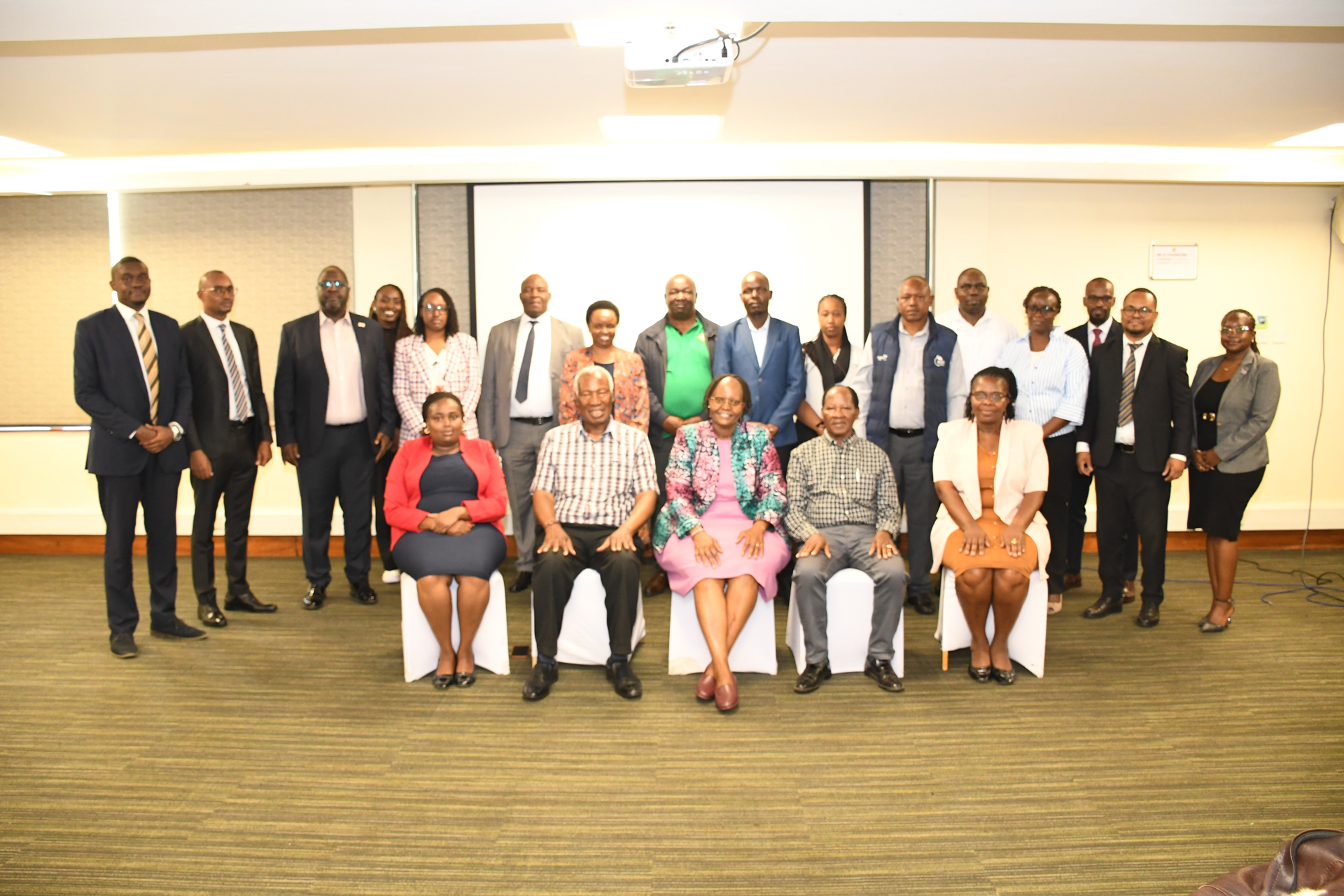
Kenya’s agricultural stakeholders have called for a more strategic and coordinated approach to enhancing public sensitization on the responsible use of crop protection products while strengthening community resilience against misinformation.
The call was made during a consultative meeting held in Nairobi, where participants emphasized that while agricultural innovations – such as pest control products – are critical to food security and improved livelihoods, greater effort is needed to ensure their safe use.
aak-GROW, the umbrella body for the agrichemical industry in Kenya, highlighted its innovative grassroots initiative dubbed Stewardship Mashinani, aimed at transforming farmer behaviour through localized, community-based engagement.
According to Joel Mutai, aak-GROW’s Acting Chief Executive Officer, the initiative is designed to address persistent safety gaps in the handling and use of pesticides, particularly among smallholder farmers who form the backbone of Kenya’s agriculture sector.
“This approach brings stewardship directly to farming communities, ensuring that farmers have practical, accurate information on safe and responsible pesticide use,” Mutai said.
Stakeholders at the forum were also assured that Kenya has a robust pesticide regulatory framework designed to protect human health and the environment. The framework is anchored in the Pest Control Products Act (Cap 346) of 1982 and is implemented by the Pest Control Products Board (PCPB).
PCPB Chief Executive Officer Fredrick Muchiri said Kenya’s pesticide regulatory system is among the most effective in Africa. He underscored the importance of cross-border collaboration and reiterated the need for sustained public sensitization on pesticide stewardship.
Muchiri expressed concern over the rise of misinformation surrounding pesticide use in the country, calling for the strengthening of agricultural extension services to ensure farmers receive accurate, science-based guidance.
The forum, attended by 30 agri-innovation stakeholders – including government agricultural experts – was organized under the Africa Science Dialogue, a platform that brings stakeholders together to share accurate and timely information on agriculture, health and the environment in an effort to combat misinformation in science.