By Walter Langat
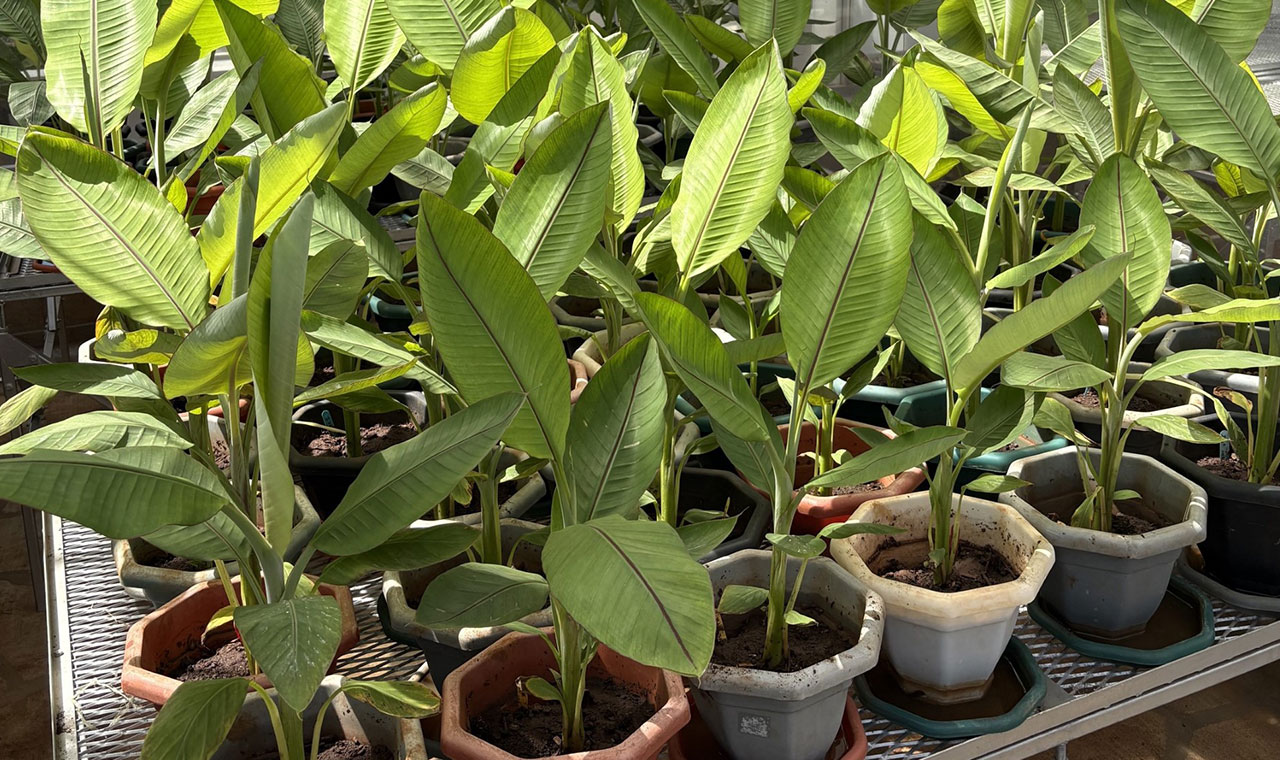
A genome-edited banana developed to combat banana bacterial wilt (BBW) has been approved for field trials in Kenya, marking a significant step toward addressing a disease that continues to threaten banana production and farmers’ livelihoods across East Africa.
The approval was granted by Kenya’s National Biosafety Authority after it determined that the improved banana, developed by the International Institute of Tropical Agriculture (IITA), cannot be classified as a genetically modified organism (GMO) since it does not contain any foreign genetic material. Under Kenya’s Genome Editing Guidelines, organisms or products identified as genome-edited are regulated as conventional varieties or breeds. As a result, the disease-resistant banana will proceed through conventional research pathways.
The field trials will be conducted by IITA in partnership with the Kenya Agricultural and Livestock Research Organization (KALRO), and will focus on agronomic performance and resistance to BBW under field conditions.
“This is a major step forward not just for banana research, but for agricultural innovation,” said Dr Leena Tripathi, Eastern Africa Hub Director and Principal Investigator leading the work. “It shows that science-based, proportionate regulation can enable the development of practical solutions for farmers.”
With approval in place, the research moves from the laboratory to the field. The trials, strictly for research, will generate critical data on the performance of the improved bananas under real farming conditions.
“The opportunity to evaluate this banana in the field is a critical step,” Dr Tripathi noted. “Our goal is to develop improved crop varieties that farmers can rely on – helping to boost production and strengthen resilience.”